5 Essential Tips for Flawless Laser Engraving on Jewelry
Laser engraving jewelry transforms ordinary metals into deeply personal keepsakes. However, working with precious, reflective, and curved surfaces leaves zero room for error. Whether you’re personalizing a wedding band or adding intricate details to a silver pendant, these practical tips will help you achieve crisp, professional results every time.
Laser engraving jewelry transforms ordinary metals into deeply personal keepsakes. However, working with precious, reflective, and curved surfaces leaves zero room for error. Whether you’re personalizing a wedding band or adding intricate details to a silver pendant, these practical tips will help you achieve crisp, professional results every time.
1. Match the Laser to the Metal
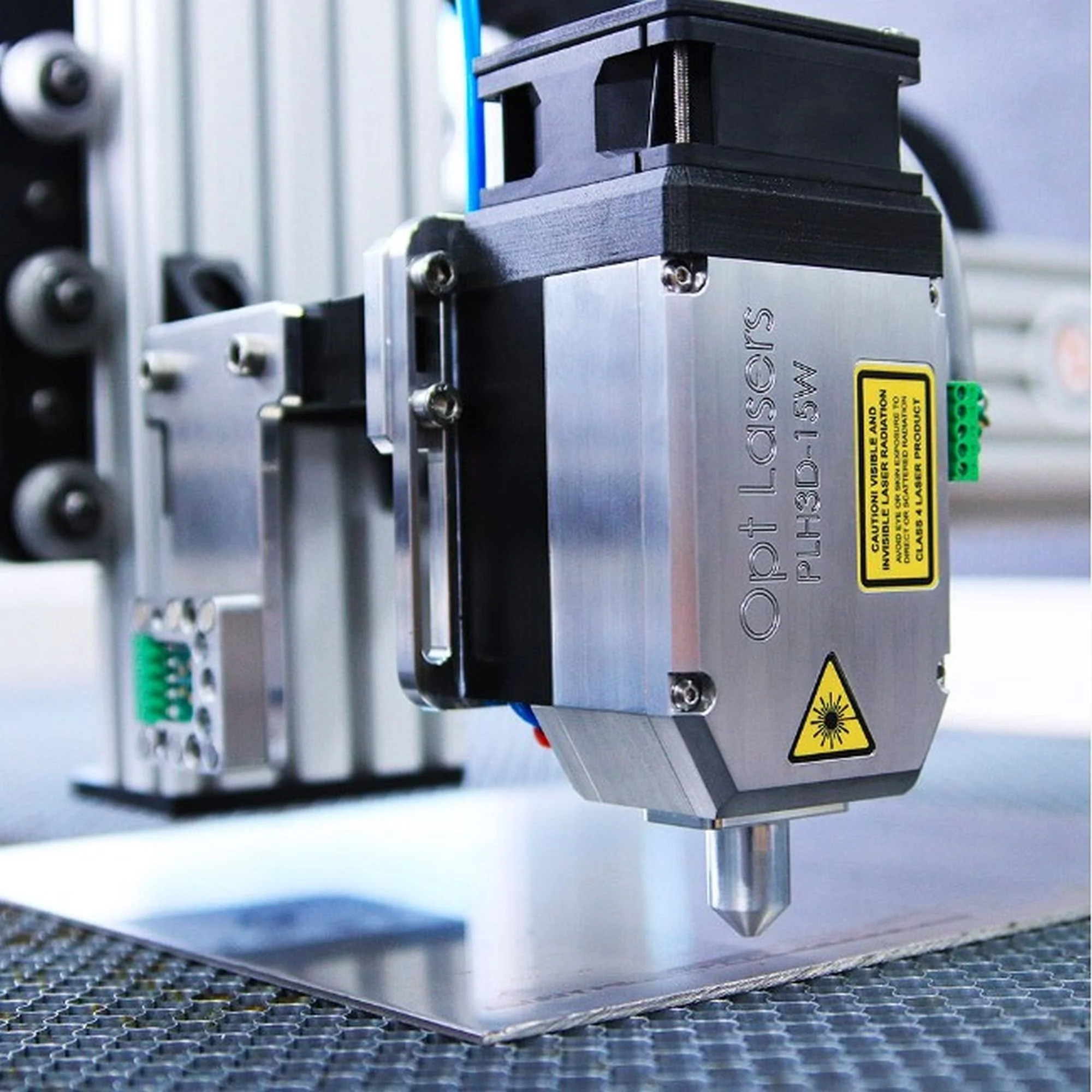
Jewelry predominantly involves bare, highly reflective metals like gold, silver, brass, and platinum. A fiber laser (or a high-precision infrared laser around 1064 nm) is the industry standard for these materials. Unlike CO₂ lasers—which struggle on bare metal—fiber wavelengths are readily absorbed, preventing beam bounce and ensuring clean, sharp marks.
2. Invest in a Quality Rotary Attachment
Flat pendants are straightforward, but rings, bangles, and curved cuffs require a dedicated rotary chuck. A rotary fixture rotates the piece in sync with the laser beam, keeping the focal distance constant. Without one, engraving across a curve causes defocusing, leading to faded edges or distorted text.
3. Master Surface Preparation and Framing
Reflective metals can scatter light and diminish mark contrast. Cleaning the piece thoroughly with isopropyl alcohol removes oils and fingerprints that might cause uneven ablation. Before firing, always use your machine’s red-light framing feature to double-check alignment, orientation, and margins.
4. Calibrate for Depth vs. Contrast
Determine whether you need deep engraving (for long-term wear or enamel filling) or light surface annealing (dark oxidation with no material removed). Deep engraving requires lower speed and multiple light passes to avoid overheating the delicate structure of thin bands.
5. Always Test First
Keep brass or stainless steel scrap blanks of similar thicknesses nearby. Testing your speed, power, and frequency settings on scrap first saves you from ruining expensive gold or sterling silver stock.
With the right setup and careful calibration, laser engraving adds unmatched value and artistry to any jewelry collection.
Get an engraving quote today by calling us at (972)848-7790 or click here to connect with us online.